City building games test more than just your sense of design—they demand economic foresight, crisis management, and long-term vision. Whether you're managing traffic in a sprawling metropolis or rebuilding society from scratch, the best city building PC games blend simulation depth with creative freedom. These aren’t just pixelated playgrounds; they’re intricate systems where one flawed decision can trigger a domino effect of power shortages, riots, or financial collapse.
The genre has evolved beyond simple resource stacking. Modern city builders challenge players with realistic supply chains, climate consequences, citizen AI behavior, and even political dynamics. This list cuts through the noise to spotlight the most compelling, polished, and strategically rich city building games available on PC right now.
1. Cities: Skylines – The Modern Benchmark
When Cities: Skylines launched in 2015, it didn’t just fill the void left by SimCity’s decline—it redefined expectations. Built on a robust simulation engine, it models individual citizen behavior (called "cims"), traffic flow in real-time, and complex utility networks.
Key Features: - Traffic AI: Vehicles pathfind dynamically, exposing bottlenecks instantly. - Mod Support: Over 300,000 mods on the Steam Workshop enhance gameplay, from realistic road systems to pollution overlays. - Districts & Policies: Zone specialized areas and apply policies like "Old Town" or "High Tech Housing" for targeted development.
Practical Tip: Start small. Many players fail by over-expanding early. Focus on a balanced economy and infrastructure before zoning high-density areas.
Limitations: While the base game is strong, Cities: Skylines II (2023) aimed to improve AI and simulation depth but launched with performance issues and missing features. As of 2024, the original remains more polished and mod-friendly.
2. Frostpunk – Survival Takes Center Stage
Frostpunk isn’t just about building—it’s about surviving. Set in a frozen, post-apocalyptic world, the game forces you to prioritize heat, hope, and law over aesthetics. Your city revolves around a single generator; lose heat, and you lose everything.
Gameplay Mechanics: - Morality vs. Efficiency: Enact child labor or extend shifts to survive harsh storms, but risk social unrest. - Dynamic Events: Blizzards, supply shortages, and disease outbreaks keep decisions tense. - Law System: Customize your society’s structure through a branching policy tree.
Realistic Use Case: During a 20-day cold snap, you might need to ration food, shut down non-essential buildings, and boost heat output—even if it means sacrificing citizen well-being.
Why It Stands Out: It’s a city builder fused with survival mechanics and narrative weight. Every city layout decision has human consequences.
3. Surviving the Aftermath – Post-Collapse Rebuilding
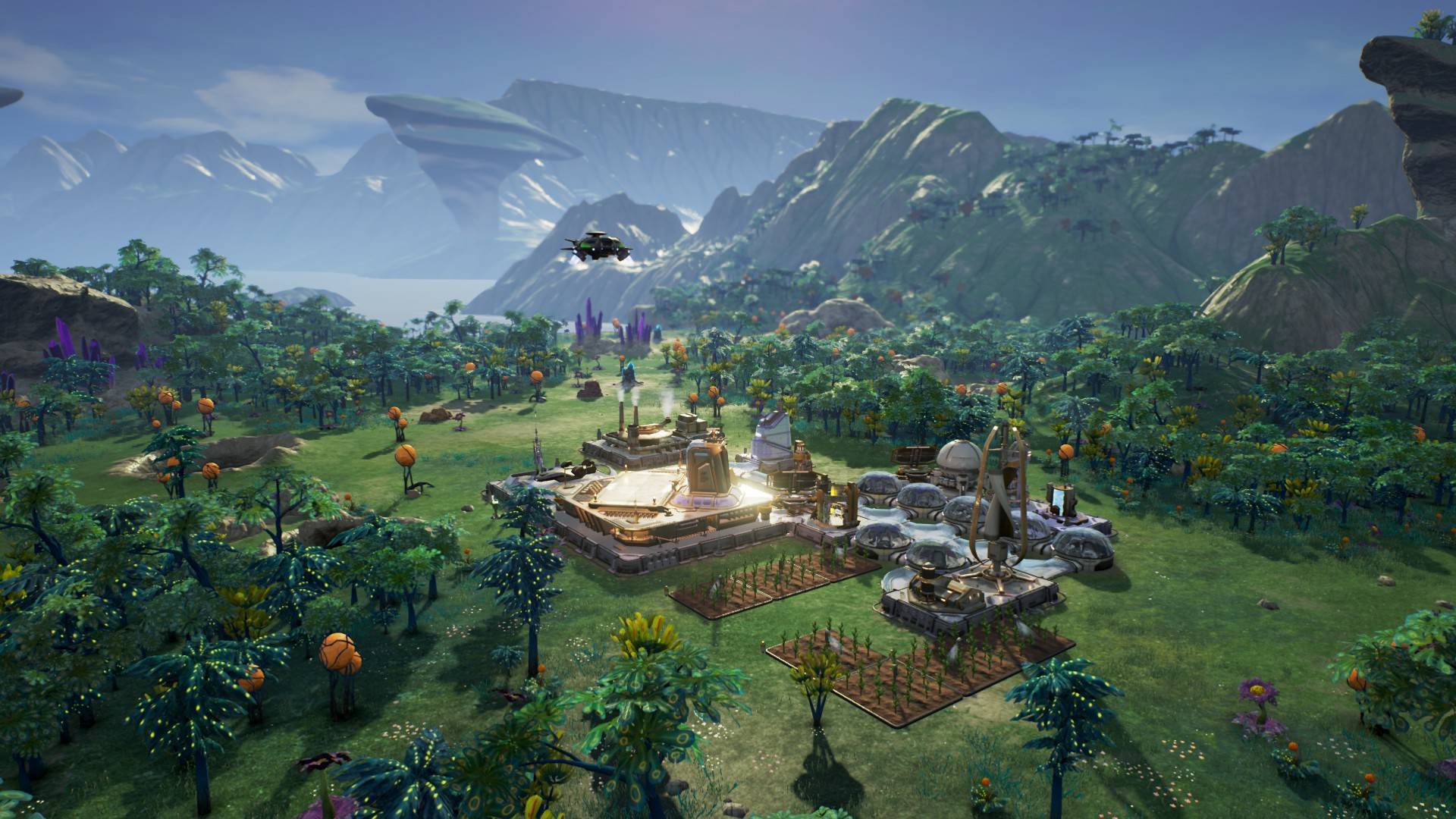
From the creators of Surviving Mars, Surviving the Aftermath shifts focus to Earth after a global catastrophe. Unlike traditional city builders, it emphasizes resource scarcity, random disasters, and colony survival over urban beauty.
Unique Elements: - Procedural Maps: Each playthrough features unique terrain, resource distribution, and disaster patterns. - Colony Specialization: Focus on science, defense, or trade to unlock advanced tech. - Exploration: Send drones to scavenge ruins for blueprints and materials.
Common Mistake: Players often overextend exploration before securing basic needs. Prioritize shelter, food, and power before allocating workers to research or defense.
Best For: Fans of emergent storytelling and unpredictable challenges—this game doesn’t let you plan everything.
4. Banished – Simplicity with Depth
Banished strips away modern infrastructure to focus on early settlement survival. No electricity, no industry—just wood, stone, and food.
Why It Matters: It captures the fragility of early civilization. A single harsh winter or crop failure can wipe out your town.
Core Systems: - Generational Play: Citizens age, have children, and eventually die. Long-term planning is essential. - No Undo Button: Mistakes are permanent. Poor layout can lead to inefficient travel, wasting valuable time.
Workflow Tip: Cluster homes near farms but away from smoke sources like kilns. Use pathways to reduce travel time—every second counts in winter.
Drawback: The UI is minimal, and late-game content feels sparse. But for players seeking a quiet, contemplative challenge, it remains unmatched.
5. Dual City Builders – Tropico Series
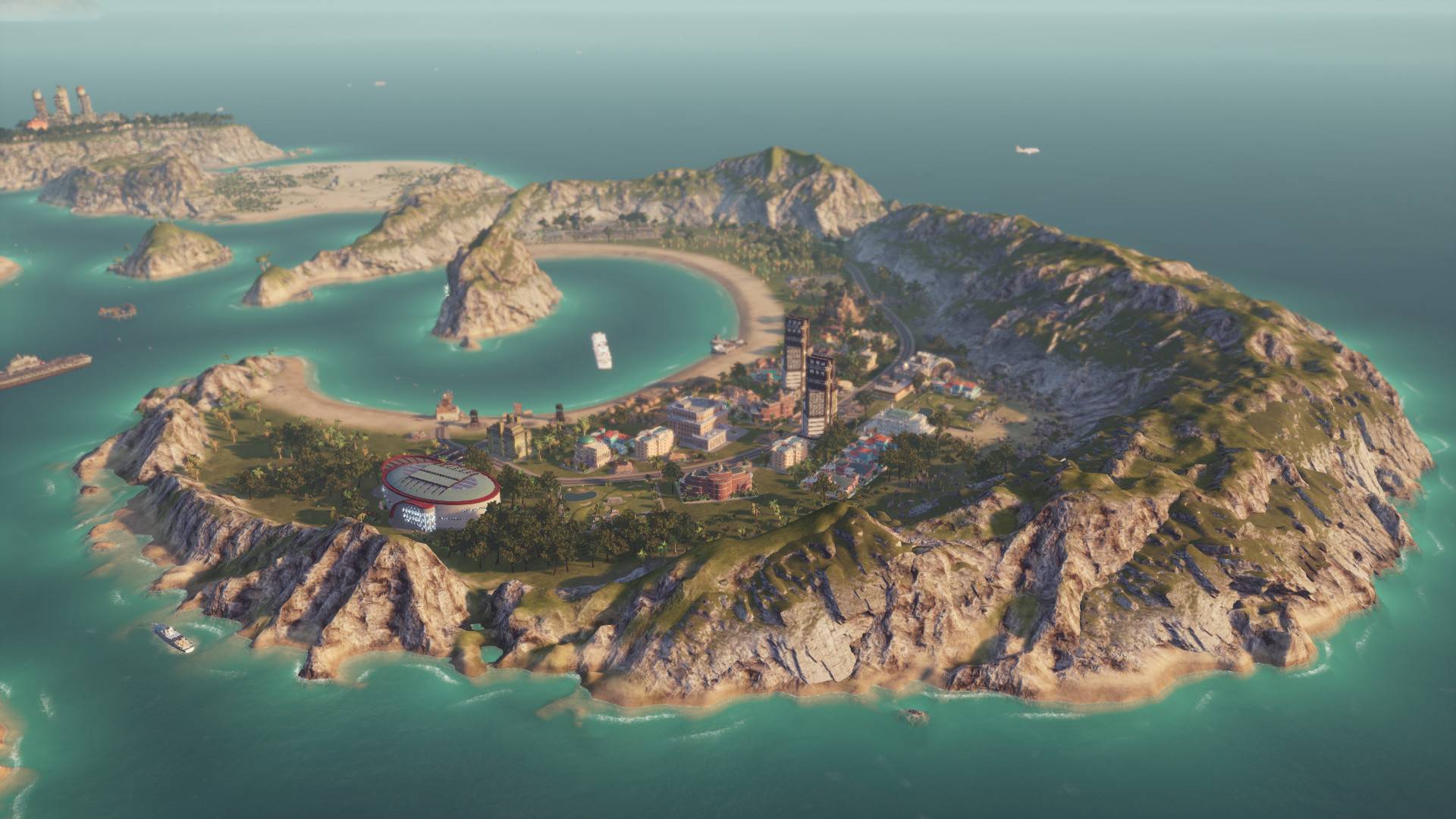
Fusion of politics, satire, and urban planning—Tropico lets you rule a Caribbean island dictatorship as "El Presidente." You balance foreign relations, citizen needs, and your own power.
Strategic Layers: - Faction Management: Keep religious, intellectual, and military factions happy—or silence them. - Export Economy: Grow tobacco, mine ore, or build tourist traps to fund your regime. - Superpower Influence: Keep the US and USSR happy (or play them against each other).
Example Scenario: You promote tourism to boost income, but intellectuals protest environmental damage. Offer green policies—or shut down dissent with secret police.
Why It’s Fun: It’s a city builder with personality. The writing is sharp, and the freedom to be benevolent or tyrannical adds replayability.
Comparison: Realism vs. Creative Freedom
| Game | Simulation Depth | Creative Freedom | Long-Term Engagement |
|---|---|---|---|
| Cities: Skylines | High | Very High | Excellent (mods) |
| Frostpunk | Medium-High | Low-Medium | Strong (story-driven) |
| Surviving the Aftermath | Medium | Medium | Good (procedural replay) |
| Banished | High (for scale) | Low | Moderate |
| Tropico | Medium | High | High (roleplay) |
Verdict: For realism and detail, Cities: Skylines wins. For narrative tension, Frostpunk. For sandbox creativity with political satire, Tropico.
Honorable Mentions Worth Playing
These titles may not top the charts, but they offer unique angles:
- Anno Series (e.g., Anno 1800): Deep production chains and logistics. Best for players who love micromanaging factories and trade routes.
- TheoTown: Mobile-inspired but available on PC. Lightweight, retro-styled, great for casual play.
- Colony Survival: Combine base building with zombie survival. Craft, defend, and expand under constant threat.
- Pocket City 2: Simple, charming, and surprisingly deep. Ideal for short sessions.
- City State: Warhammer 40K (upcoming): Set in the grimdark universe, this blends city management with military conquest.
Common Pitfalls – And How to Avoid Them
Even experienced players make mistakes. Here’s how to stay on track:
- Over-Zoning Early: Leads to empty buildings and tax shortages. Zone incrementally based on population growth.
- Ignoring Traffic Flow: Congestion cripples cities in Skylines. Use public transit early and design for connectivity.
- Neglecting Utilities: One polluted water source can trigger disease. Place water intakes upstream from sewage outlets.
- Micromanaging Everything: Use district policies and automation. Not every worker needs a personalized schedule.
- Forgetting Disasters: In Frostpunk or Aftermath, prepare for the worst. Stockpile food, build clinics, and diversify power sources.
Why City Builders Still Matter
These games resonate because they mirror real urban challenges: housing shortages, climate adaptation, infrastructure decay. Playing them builds systems thinking—the ability to see how small changes ripple across complex networks.
They’re also deeply personal. Your city reflects your values: sustainable or industrial, equitable or authoritarian, efficient or beautiful. That blend of strategy, creativity, and consequence is why the genre remains vital.
Final Tip: Start with Cities: Skylines if you want creative control, or Frostpunk if you crave tension. Use mods to tailor difficulty and visuals. Most importantly—save often. No city survives its first winter without a backup.